
Pain points & scenarios
What this topic solves for shoppers
- Standard RV / vanlife toilet capacity is small (2-5 gal), so 2-3 occupants need daily emptying
- Chemical deodorant / digestant has high long-term cost; eco-friendly versions cost 2-3x more
- Portable toilets can tip or splash on bumpy roads — buyers need fixed / splash-resistant designs
- At low winter temps, chemical digestion efficiency drops and the line can freeze / solidify
High-frequency scenarios
- Summer high-altitude camp, 2-3 weeks long-term stay, no fixed bathroom available
- Trigger: Off-grid travel, 2+ weeks without campground hookup
- For: Vanlifers camping remotely in summer
- Pairs with: outdoor-lightweight, compact-portable
- Winter desert at -10°C long-term stay, freeze-prevention + chemical efficiency issues
- Trigger: Winter desert region, low-temperature environment
- For: Vanlifers in cold-weather long stays
- Pairs with: outdoor-lightweight
How portable RV toilets actually work
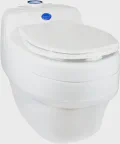
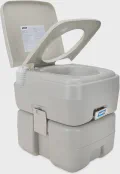
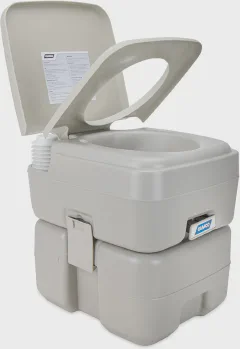
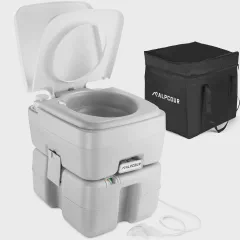
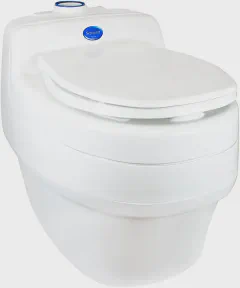
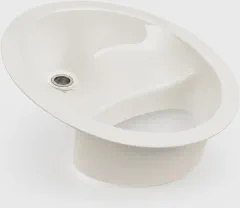
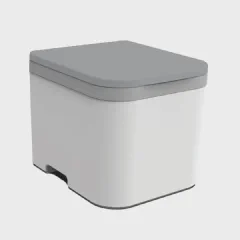
- Disposing of waste. Cassette toilets (Thetford, Dometic) have a 2-5 gal removable tank — pull it out, carry to a dump station or public toilet, dump, rinse, add chemical, reinstall. Compost toilets (Nature’s Head, Separett) separate liquids from solids; liquids go in any toilet, solids go in a trash bag or compost bin. Never dump on the ground — illegal in national forests and BLM land, even with eco-friendly chemicals.
- Best picks by use case. Weekend trips with hookups: Thetford Porta Potti 565E (5 gal, electric flush, ~$200). Off-grid long stays: Nature’s Head composting toilet (no chemicals, ~$1,000, but needs 12V fan and composting medium). Winter camping: cassette with tank heater + RV antifreeze in the line.
- Capacity math. A 5-gal cassette holds 15-20 uses for 1 person (2-3 days) or 5-7 uses for a 2-person rig. A 2.5-gal tank is 1-2 days for 2 people. Couples need 5-gal minimum or you’ll be dumping daily.
- Freeze prevention. Cassette toilets in sub-freezing temps need tank heaters and RV antifreeze in the line — chemical digestion drops 50%+ below freezing. Composting is actually more reliable in cold since there’s no liquid line to freeze.