


Pain points & high-frequency scenarios
What shoppers actually struggle with
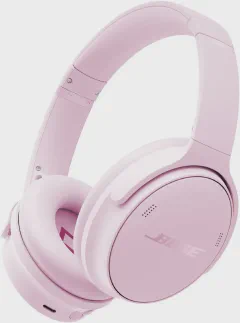
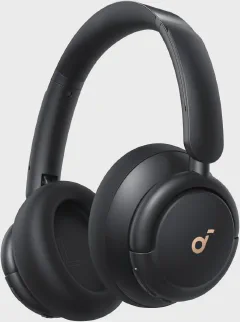
- Soundcore Anker Q20i at $45 has plastic build that feels less premium than metal alternatives — buyers wanting Bose-tier build step up
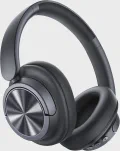
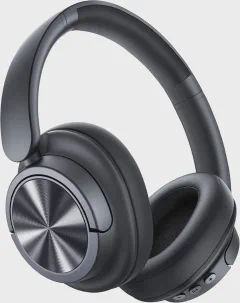
- bmani H1 ANC headphones launched with 0 reviews and “transparency mode too effective” reported in 1-stars — new brand risk
- Long-haul flights need ≥ 30-hour battery life — most budget ANC headphones top out at 20 hours
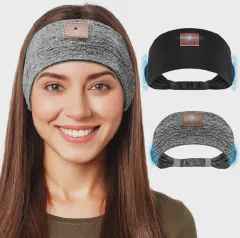
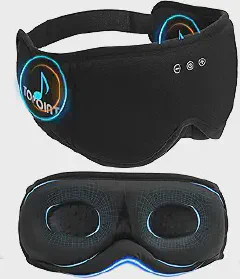
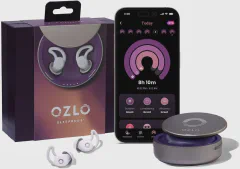
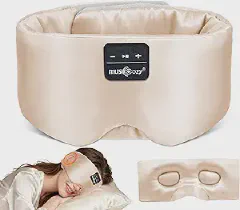
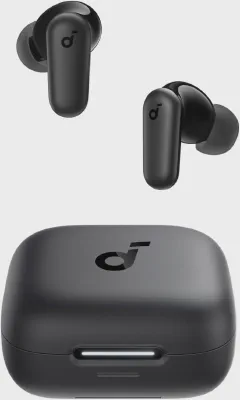
- In-ear earbuds fall out during side-sleeping on planes — frequent red-eye travelers upgrade to sleep-specific earbuds
When this category gets bought
- 12+ hour flight, over-ear ANC + sleep mask + neck pillow in a business-class comfort kit
- Trigger: Long-haul, red-eye, $100–$200 ANC budget
- For: Business travelers optimizing for sleep on planes
- Pairs with: travel, wellness
- Hotel-room deep work, ANC over-ear + Bluetooth speaker for hybrid calls and music in ≤ $80 kit
- Trigger: 5+ day business trip, hybrid calls from hotel
- For: Remote workers running calls from hotels
- Pairs with: home-office, travel
How to pick travel headphones (by trip type)
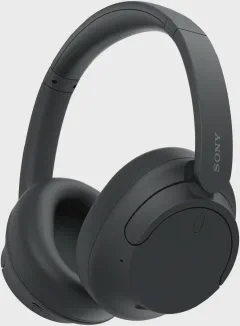
- For the flight itself. Over-ear ANC wins for engine drone — Sony WH-1000XM5 (
$330, 30-hr battery) is the gold standard; Soundcore Anker Q20i ($45, 40-hr battery) covers the budget end. Over-ears block 30-40 dB of cabin noise at the ear, earbuds only 15-20 dB. The trade-off is pack space. - For red-eye sleep. Regular earbuds fall out when you turn your head. Sleep-specific earbuds (Bose SleepBuds II, Ozlo Sleepbuds) are designed for side-sleeping and block 30+ dB without music — but they don’t play audio, they’re just noise blockers. If you want music + sleep, the Soundcore Sleep A20 hybrid is the closest single-device option.
- For tinnitus / hearing sensitivity. Stick to over-ear ANC at 60% volume max. In-ear pressure can worsen tinnitus. ANC reduces the need to crank volume to drown out engine noise, which is the main tinnitus risk on flights.
- For pacemaker wearers. Bluetooth headphones (any) are safe — 10mW output, no documented FDA pacemaker interference. Keep phones/watches 6+ inches from the chest pocket; over-ear headphones sit far enough away to be fine.