Pain points & high-frequency scenarios
What shoppers actually struggle with
- HEPA purifiers (PuroAir 100i at $80) need periodic filter replacement — 2-3 year running cost can double the unit price
- Wildfire smoke drives a 1-week AQI spike where standard purifiers struggle to keep up — buyers need ≥ 300 CFM for a 200 sqft bedroom
- Humidifiers and dehumidifiers compete for the same floor outlet — dual-setup renters have to choose one or the other
- Pet hair and dander clog HEPA pre-filters 2-3x faster than the rated interval — pet households replace filters monthly
When this category gets bought
- Wildfire season summer, HEPA purifier + window seal + bedroom door sweep for clean-air sleep
- Trigger: June–September, AQI > 100, ≤ $200 setup
- For: Renters in wildfire-prone metros
- Pairs with: wellness, small-apartment
- Pet move-in, HEPA purifier + air-quality monitor in a 1B rental with cat or dog
- Trigger: Move-in with pet, allergy-prone household, $150–$200 budget
- For: Renters with pets managing dander
- Pairs with: pet-care-home, wellness
How to tell if your apartment air is bad (and what to do)
- Symptoms. Headache, fatigue, scratchy throat, watery eyes — all worse indoors than out. If you feel better after a 30-min walk outside and worse within 2 hours of returning, the apartment air is the problem. Late-stage: asthma flares, dry skin, morning sinus congestion.
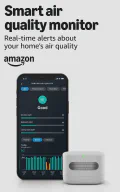
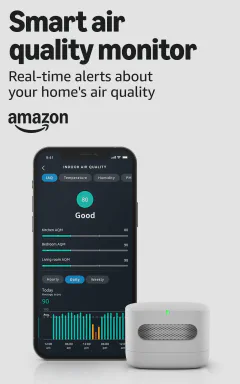
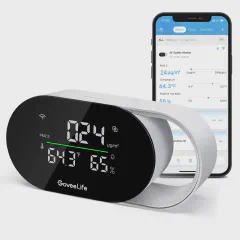
- How to check. Get a $25-50 air quality monitor (Awair Element, IKEA VINDSTYRKA, Amazon Smart Air Quality Monitor) that reads PM2.5, CO2, VOCs, and humidity. Place on the nightstand for 3-5 days. Outdoor AQI from AirNow.gov gives context; indoor should be <50% of outdoor for PM2.5 with a purifier running.
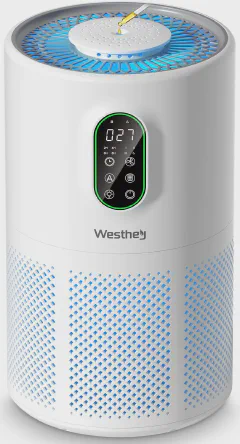
- The fix stack. (1) HEPA purifier rated for your room size — ≥300 CFM for a 200 sqft bedroom; the PuroAir 100i at $80 covers ~250 sqft. (2) Humidity control — humidifier in winter (target 40-50% RH) or dehumidifier in summer (target 30-50%); pick one since both compete for outlets. (3) Source control — vent the kitchen and bathroom, replace HVAC filters every 60-90 days.
- When to worry. PM2.5 and VOCs can trigger palpitations at AQI >100 sustained 24+ hours. If you have chest tightness, persistent cough, or palpitations that improve outdoors, see a doctor — those are late-stage signals. Wildfire AQI >150 is the threshold where short-term cardiovascular risk spikes; kids, elderly, and pregnant people shouldn’t be in unfiltered air for more than 1-2 hours.